

The Significance of Wine Regions
7/13/2024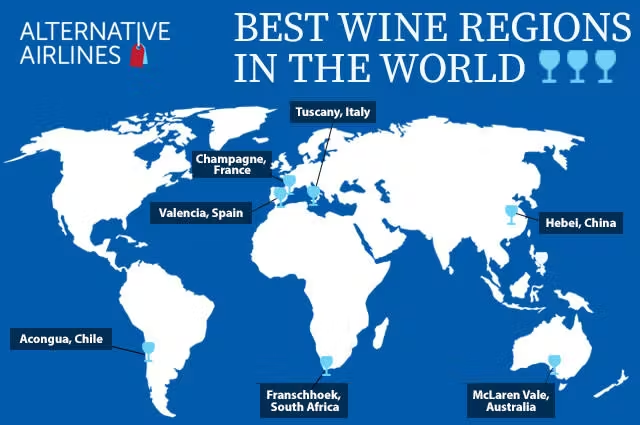
Wine regions are pivotal to viticulture and winemaking, significantly influencing the characteristics and quality of the wine produced. Each region offers a unique combination of climate, soil, topography, and local winemaking traditions, collectively known as "terroir." This terroir imparts distinct flavors and aromas to the wines, making each region's wines unique.
Understanding Terroir

The term "terroir" is derived from the French word for "land" and encapsulates the unique environmental conditions in which grapes are grown. Terroir includes factors such as:
- Climate: Temperature, sunlight, and rainfall patterns directly affect grape growth.
- Soil: The mineral composition, drainage, and organic content of the soil influence vine health and grape characteristics.
- Topography: Elevation, slope, and aspect (direction the slope faces) affect sun exposure and temperature variations.
- Local Winemaking Traditions: Historical and cultural practices in viticulture and winemaking contribute to the uniqueness of wines from a region.
"The concept of terroir is crucial to understanding why wines from different regions taste different. It's the interplay of natural and human factors that give a wine its distinctive character."
Notable Wine Regions and Their Characteristics
Bordeaux, France

Bordeaux is renowned for its complex red blends, primarily made from Cabernet Sauvignon and Merlot. The region's gravelly soils and maritime climate create structured, tannic wines with a potential for long aging. Bordeaux's sub-regions, such as Medoc, Pomerol, and Saint-Emilion, each contribute unique characteristics to the wines produced there.
Burgundy, France

Burgundy is famous for its Pinot Noir and Chardonnay. The region's cool, limestone-rich slopes yield elegant, aromatic wines. Burgundy's terroir is so significant that vineyards are classified into a hierarchy, from regional appellations to Grand Crus.
Napa Valley, USA

Napa Valley's warm climate and diverse soils produce rich, opulent Cabernet Sauvignon. The region's commitment to quality and innovation has made it one of the most prestigious wine regions in the world. Napa's sub-regions, like Rutherford and Stags Leap, offer distinct variations in flavor profiles.
Tuscany, Italy

Tuscany, home to the iconic Chianti and Brunello di Montalcino, produces rich, earthy wines that reflect the region's storied history. The combination of hilly terrain, varied soils, and Mediterranean climate contributes to Tuscany's unique wine styles.
Mosel, Germany

The Mosel region is known for its Riesling, producing elegant, aromatic wines with high acidity and distinctive minerality. The steep, slate-covered slopes along the Mosel River are ideal for cultivating Riesling, capturing the sun's warmth and reflecting it onto the vines.
Regional Regulations and Appellations
Regional regulations and appellation systems play a crucial role in ensuring wine quality and authenticity. These systems define the geographical boundaries within which grapes must be grown and often specify allowable grape varieties, vineyard practices, and winemaking techniques.
- France: The Appellation d'Origine Contrôlée (AOC) system.
- Italy: Denominazione di Origine Controllata (DOC) and Denominazione di Origine Controllata e Garantita (DOCG).
- USA: American Viticultural Areas (AVAs).
Understanding these regulations helps wine enthusiasts make informed choices and appreciate the craftsmanship behind each bottle.
The Importance of Regional Identity
Each wine region's unique terroir and winemaking traditions create a regional identity that is celebrated and preserved. This identity not only defines the wines but also promotes tourism and economic development. Wine regions often host festivals, tastings, and tours, inviting enthusiasts to experience the culture and history behind the wines.
Conclusion
Understanding the significance of wine regions enhances the appreciation of wine, highlighting the intricate relationship between a wine and its origin. The interplay of climate, soil, topography, and human influence creates a diverse and rich tapestry of wine styles, each with its own story to tell.